
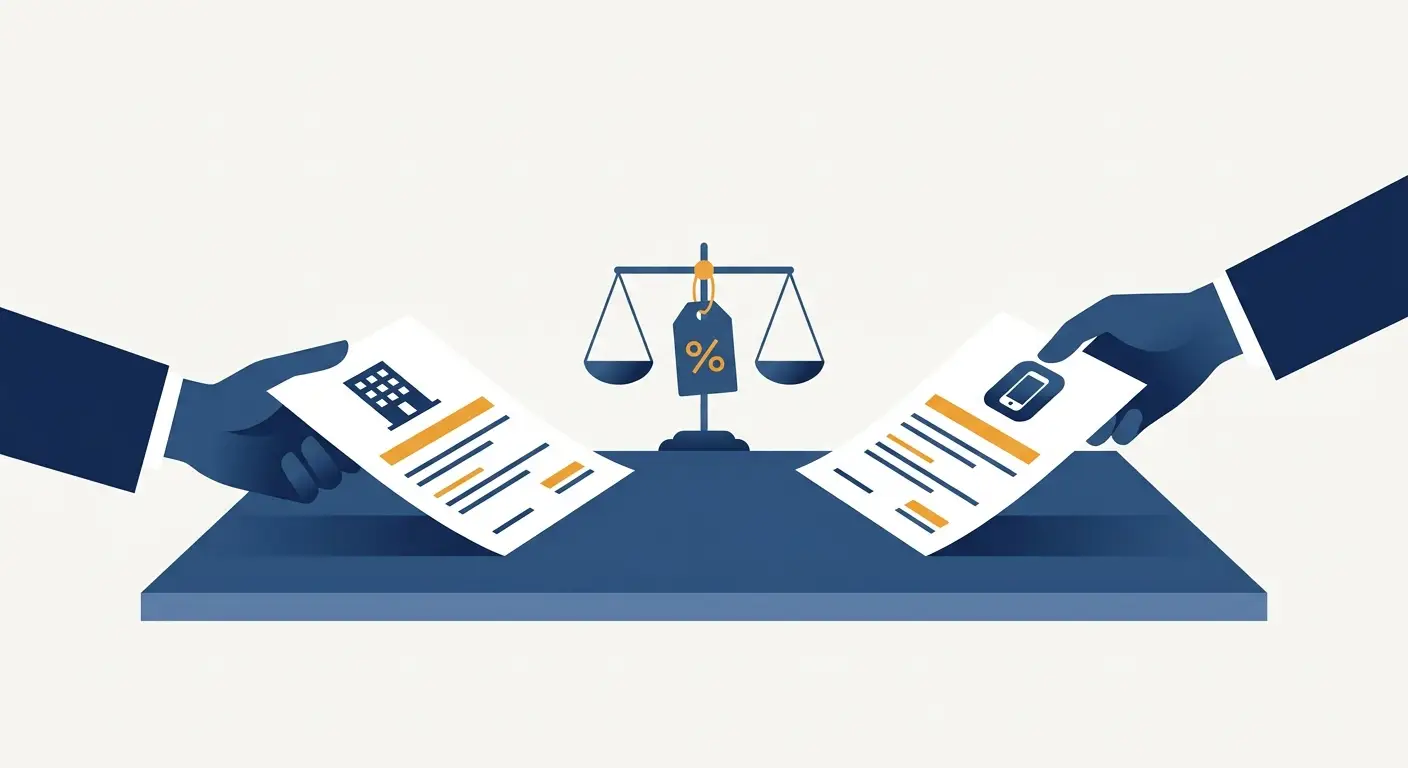
Short answer: when a customer insists you sign their form agreement (their “paper”), do not just say yes to close faster. Negotiate it, remember their changes affect your price and your timeline, and aim for paper that limits your risk, stays administratively workable, and still matches your model so you can recognize revenue normally.
When you sell to a larger end user, they will sometimes insist on using their form of agreement instead of yours. It is one of the most common turns in a software or SaaS negotiation. So what do you do? Here are six things to keep in mind.
1. Negotiate, Negotiate.
This is not the moment to roll over and hope it makes the deal close faster. It will not. Customer paper is written to protect the customer, and it is often loaded with broad indemnities and uncapped liability. Negotiate it like it matters, because it does.
2. Price and Terms Are Linked.
Your own agreement contains your model: what rights the customer gets, the restrictions, the warranties, and the liability cap. Your pricing is built on that model. If the customer wants to significantly change the terms, that changes the price. Moving risk onto your side of the table is not free, and your deal team should treat term concessions and price as one conversation, not two. (This is the same liability math I walk through in What Does Your SaaS Agreement Liability Model Look Like?.)
3. Time Is of the Essence.
If there is a deadline driving the deal, raise the timing issue before you agree to start from the customer’s form. (Time is of the essence is a real contract concept, not just a saying.) Working off their paper almost always lengthens the sales cycle rather than shortening it, because now you are redlining an unfamiliar document built against you.
4. Set the Right Expectations.
Make sure the customer knows up front that there will be a lot of changes. It also helps to pull a business decision-maker into the room alongside their legal and procurement people, so someone with deal authority can break the logjams.
5. It Is All About Money.
If the deal is small, starting from the customer’s form can burn more time and legal spend than the deal is worth. Where you draw that line is company-specific, but draw it deliberately rather than chasing every small deal onto hostile paper.
6. Know Your Goals.
If you do end up on the customer’s form, aim for an agreement that:
- does not create significant risk for your company;
- is administratively efficient to live with; and
- stays consistent with your model, so you can recognize the revenue the same way you do on your own paper.
The throughline: customer paper is fine to work from, but it is not neutral, and saying yes quickly usually costs more than negotiating well. This is exactly the kind of review we do from the software vendor’s side, and it pairs with knowing when to hold a term in the contract versus a policy (see Contract or Policy?). I hope this helps.
Common Questions About Customer Paper.
Should you sign the customer’s form agreement? You can, but do not sign quickly just to close faster. Customer paper protects the customer, so negotiate it, and remember the changes affect your price and timeline.
Why does customer paper change the price? Your price is built on your model and risk allocation. Moving risk onto your side of the table is not free, so terms and price are one conversation, not two.
What should you aim for on the customer’s form? Paper that limits your risk, is administratively workable, and stays consistent with your model so you can recognize revenue normally.
Resources:
- What Does Your SaaS Agreement Liability Model Look Like?
- Have SaaS Agreement Templates Become Commoditized?
- SaaS Agreement vs. Software EULA: Which Template Do You Need?
Disclaimer:
This post is for informational and educational purposes only, and is not legal advice. You should hire an attorney if you need legal advice, which should be provided only after review of all relevant facts and applicable law.
Discover more from Aber Law Firm
Subscribe to get the latest posts sent to your email.