
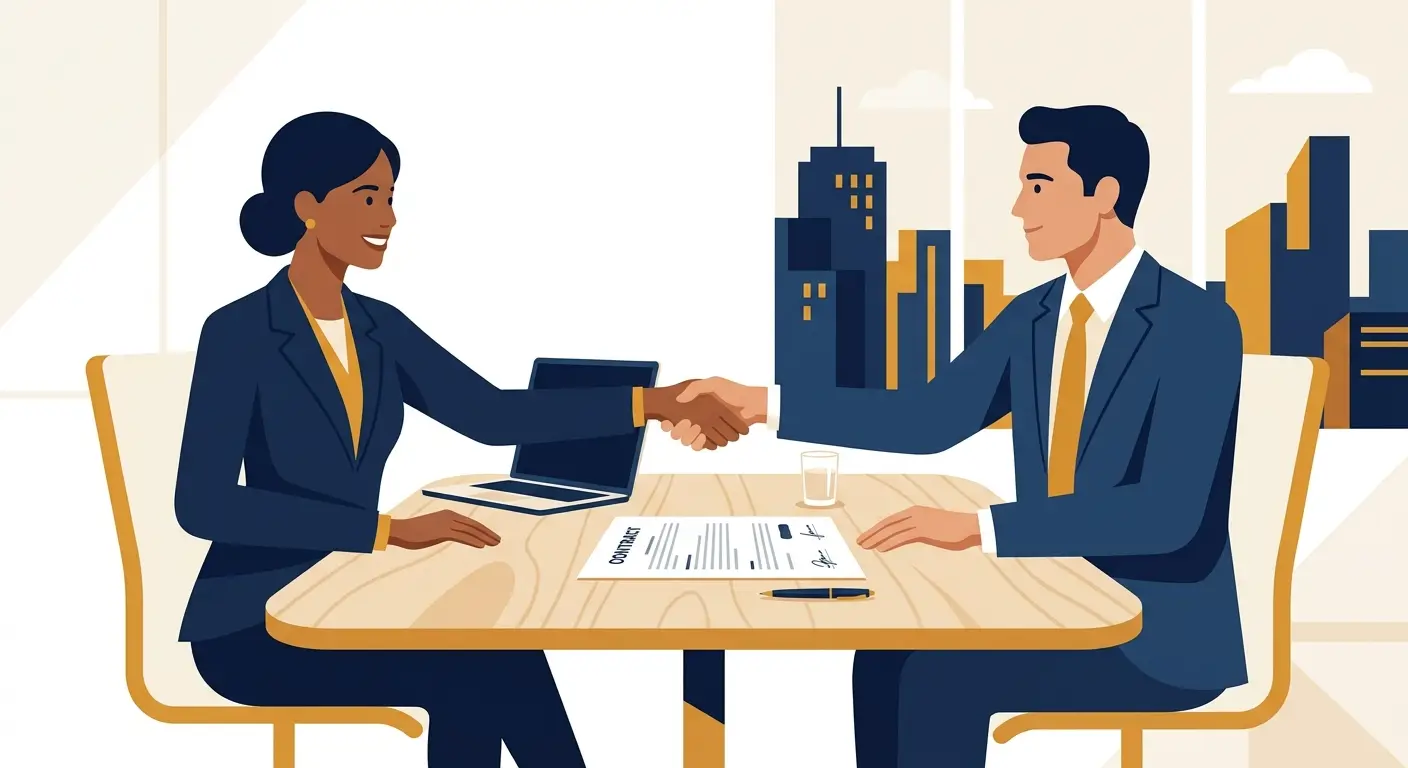
Short answer: respect costs nothing and closes deals. The person across the table is taking a career risk by choosing you, so treating them like a person rather than a checkbox is one of the cheapest advantages in any software negotiation.
Here is something that costs nothing but really helps when selling software or working through a software negotiation. As a software attorney who has sat through a lot of these, I can tell you it makes a real difference, and most vendors leave it on the table.
When you negotiate with a purchasing manager or someone from IT, you are dealing with a person. Some people forget this. There is a lot going on in that person’s head besides buying your software, so a little respect goes a long way. It is not hard.
Respect Is the Cheapest Edge in a Software Negotiation.
It can be as simple as:
- Address and listen to all their concerns and issues.
- Do not talk down to them, on the phone or in email.
- Under-commit and over-deliver. Never the opposite.
- Realize they are not just a checkbox in the buying process.
- Remember they are taking a risk, putting their reputation on the line, by selecting you as a vendor.
None of this is a tactic you have to fake. It is just paying attention. The Harvard Program on Negotiation calls this separating the person from the problem and focusing on interests, and it is exactly what turns a tense haggle into a working relationship.
Why This Actually Moves a Deal.
The buyer’s real fear usually is not your price. It is the worry that they will champion you internally, the implementation will go sideways, and their name will be on the decision. Respect speaks directly to that fear: when you listen, set honest expectations, and make the buyer look smart to their boss, you lower the perceived risk of choosing you, and lowering perceived risk is what gets deals signed. Negotiation researchers make the same point about how differently people weigh risk at the table (see the Program on Negotiation on differences in attitudes toward risk). It pays off later too. The contract negotiation goes faster and friendlier when the human relationship is already good, which is the flip side of knowing how to say no when you need to.
It Pays Off in the Contract, Too.
Goodwill at the relationship stage carries straight into the redline. When the buyer trusts you, the limitation-of-liability and indemnity conversations are about getting comfortable, not about winning. You will still hold your positions, but you will spend the negotiation solving the buyer’s actual concern instead of fighting over tone. That is why I tell vendors the soft skills and the contract skills are not separate: respect just makes the legal part shorter.
Frequently Asked Questions.
Is being respectful the same as being a pushover? No. You can be warm and still hold firm positions. Respect is about how you treat the person; your terms are a separate conversation.
Does this really matter when procurement is just comparing prices? Yes. Price is rarely the only driver. The buyer is managing their own risk and reputation, and the vendor who lowers that risk often wins even at a higher price.
What is the one habit to start with? Under-commit and over-deliver. Nothing builds trust faster, and nothing erodes it faster than the reverse.
When I work with software clients, I remind them of this very simple truth. It is free, and it works. I hope this helps.
For more on the customer side of every deal, see SaaS Contract Negotiations Are Not All About the Software, Software Negotiations: Do You Know How to Say No?, and What an FBI Hostage Negotiator Teaches Software Vendors.
Disclaimer:
This post is for informational and educational purposes only, and is not legal advice. You should hire an attorney if you need legal advice, which should be provided only after review of all relevant facts and applicable law.
Discover more from Aber Law Firm
Subscribe to get the latest posts sent to your email.