
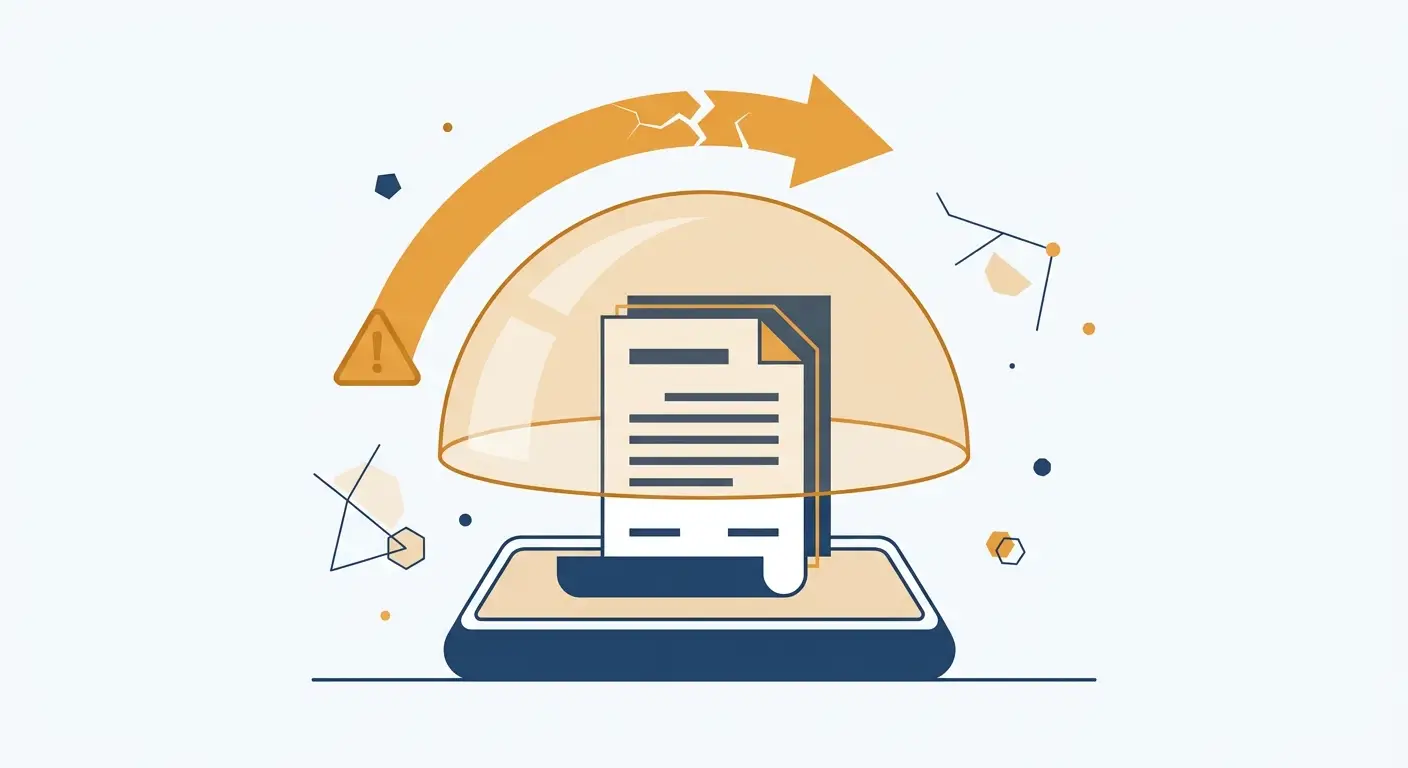
Short answer: mostly yes. A well-drafted limitation of liability caps your exposure near the contract value. The big exception is a fraud claim, which plaintiffs use to jump the cap. You manage that risk with anti-reliance drafting and by handling customer problems early.
Most clients believe they have an airtight software agreement and that their liability is limited to the contract value. As a general matter they are right. But there are exceptions, and one of the biggest is fraud.
Fraud Claims. A fraud claim is based on some form of misrepresentation. Under strong legal theories, fraud damages should not be available when there is an underlying contract. But plaintiffs make these claims anyway, precisely to get around the contractual limitation on liability. A liability cap controls breach-of-contract damages, but a fraud claim aims to leap right over it.
SAP learned this the hard way. It faced a fraud claim of over $500 million arising from a roughly $30 million software deal with Waste Management, more than ten times the contract value. SAP negotiated the contract well and had its lawyers review it, and it still faced a claim ten times the deal size.
The Drafting That Actually Helps.
You cannot contract away fraud, but you can make a fraud claim much harder to plead. Three clauses do most of the work for a vendor:
- A real integration (merger) clause. The written agreement is the entire deal, and nothing said during the sales cycle is part of it. This invokes the parol evidence rule to keep outside promises out.
- An anti-reliance (non-reliance) clause. The customer affirmatively states it did not rely on any representation outside the contract. This is the clause courts look to when they dismiss a fraud-in-the-inducement claim.
- A disclaimer of representations. Spell out what you are not promising. (More in Why You Need a Disclaimer in Your SaaS Agreement.)
What Else You Can Do to Avoid These Claims.
Drafting is half the job. The other half is how you run the relationship.
1) Get involved early in customer problems. Put someone in senior management next to the people on the ground so issues get worked out before they fester into a lawsuit.
2) Use your best people. These disputes need custom solutions and out-of-the-box thinking. This is not the time for junior staff.
If senior leadership at SAP had stepped in earlier, the case might have been avoided and the relationship saved. Your software agreement cannot block every claim, so pair tight anti-reliance drafting with taking care of customer problems early, using your best people. For the clause-by-clause structure of the underlying document, see our SaaS Agreement Template: Key Clauses Checklist.
How to Read Your Cap and Its Carve-Outs.
Most vendors stop at the cap number and never look at what sits outside it. That is a mistake. Read your limitation of liability as two pieces. The first is the cap itself, the dollar figure your contract damages cannot exceed. The second is the list of carve-outs, the claims the cap does not apply to. Fraud lives in that second piece, because no court will let you cap your own fraud, and most customers will not agree to it either. So the practical goal is not to cap fraud (you cannot), but to keep fraud from being pleaded at all. That is what the anti-reliance and disclaimer language buys you. While you are in there, check that your carve-outs are mutual where they should be and one-sided where they should be. Confidentiality breaches, IP infringement, and indemnity obligations often sit outside the cap by design. A clause that quietly waives the cap for any customer claim, not just the narrow set you intended, hands the other side a road around the number you negotiated. Read the carve-out list as carefully as the number.
Frequently Asked Questions.
Does my liability cap stop a fraud claim? Not by itself. Caps limit contract damages, but a fraud claim tries to go around the cap, which is why anti-reliance and disclaimer drafting matter.
What is an anti-reliance clause? A statement by the customer that it did not rely on anything said outside the written contract. Courts use it to dismiss fraud-in-the-inducement claims.
Can good drafting alone protect me? No. Drafting makes fraud claims harder to plead, but handling customer problems early, with senior people, is what keeps disputes from starting.
For the foundational distinction that drives every software-contract liability dispute, see SaaS Indemnity vs. Breach of Contract: What’s the Difference?
Disclaimer:
This post is for informational and educational purposes only, and is not legal advice. You should hire an attorney if you need legal advice, which should be provided only after review of all relevant facts and applicable law.
Discover more from Aber Law Firm
Subscribe to get the latest posts sent to your email.